Featured Articles
- 5 Innovative Financial Strategies to Support Cancer Support Group Sustainability and Growth
- 7 Best Smart Journals for Cancer Support Groups to Track Emotions and Treatment Progress
- Healing Beyond the Diagnosis: The Surprising Role of Art Therapy in Cancer Support Groups
- Healing Beyond the Diagnosis: Unpacking the Role of Virtual Reality in Cancer Support Groups
- Healing in Virtual Worlds: The Rise of Gaming Communities as Unique Cancer Support Spaces
Healing Beyond the Diagnosis: Unpacking the Role of Virtual Reality in Cancer Support Groups
Healing Beyond the Diagnosis: Unpacking the Role of Virtual Reality in Cancer Support Groups
The integration of virtual reality (VR) in cancer support groups is a transformative approach that addresses emotional well-being and creates community for individuals facing cancer. This article will explore how VR can facilitate healing, foster connection, and provide innovative coping mechanisms, while sharing real stories and shedding light on new research in this exciting field.
Understanding the Emotional Impact of Cancer Diagnosis
Cancer isn’t just a physical disease; it affects the mind and spirit too. A study by the American Psychological Association found that more than 30% of cancer survivors experience significant psychological distress. The challenge frequently lies in navigating this emotional landscape, particularly during a time when patients often feel isolated and afraid.
The Role of Support Groups
Support groups traditionally serve as a safe haven for individuals grappling with the emotional weight of their diagnosis. They provide a space for individuals to share experiences, vent frustrations, and receive empathy from others who understand their journey. As one support group member, Jamie, who is 49 and battling breast cancer, shared: "Finding others with similar stories makes me feel less alone. It’s therapeutic to talk and connect with people who truly get it."
What is Virtual Reality? A Brief Dive
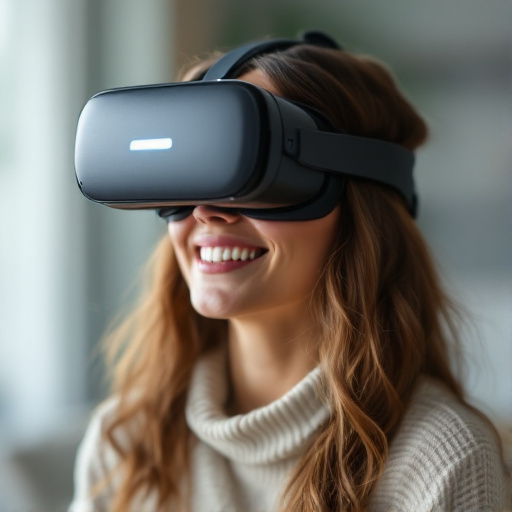
For the uninitiated, virtual reality (VR) is a simulated experience that can be similar to or completely different from the real world. It immerses users into a digital environment, often via headsets and sensory devices, creating a 3D experience that can influence perception, emotion, and even cognition.
A World Beyond Reality
Imagine a terminally ill cancer patient named Robert. Forced to spend hours in a hospital room, Robert finds solace in a virtual world, soaring over mountains and diving underwater with dolphins. In that VR experience, Robert isn’t just a cancer patient; he’s a free spirit immersed in adventure. This ability to escape reality, even if for a short time, underscores a core strength of virtual reality.
Statistics Speaks Volumes
Research indicates that immersive virtual environments can lead to significant reductions in anxiety and enhance emotional resilience for patients dealing with cancer. A study published in the journal *Journal of Medical Internet Research* suggests a staggering 76% of participants reported decreased anxiety levels after engaging in virtual reality therapy (Thomas et al., 2021). That’s not just a statistic; it’s a testament to humanity’s eternal search for healing.
The Benefits of VR in Cancer Support
So, how does virtual reality enhance the support group experience? Here are just a few of the diverse benefits:
- Connection: VR creates safe, shared spaces where people can meet, even if they live across the globe. A cancer patient in the U.S. can sit side by side with someone in New Zealand, creating a truly international community.
- Immersive Environments: Rather than just discussing fears or challenges, participants can enter tranquil environments, which research shows can alleviate feelings of stress while allowing for more profound conversations.
- Therapeutic Moments: Engagement in VR can help patients express feelings that might be hard to articulate in traditional settings.
- Enhanced Exposure Therapy: For those dealing with cancer-related phobias or trauma, VR exposure therapy can provide a gentle pathway toward healing.
Case Study: Healing Spaces in VR
In San Francisco, a pioneering study at a local hospital incorporated VR experiences into their support group sessions. Patients reported feelings of tranquility and connectedness after meeting in a virtual lounge, complete with calming background sounds and beautiful vistas. Lucia, a 34-year-old lung cancer patient, felt inspired by the group discussions while in a virtual forest. "Being in nature, even virtually, brought me peace I didn’t know I needed," she exclaimed.
Bridging the Gap with Technology
If you think about it, we live in a digital age that seems to align with this new approach to cancer care. One doesn’t need to be an IT specialist to understand how VR’s potential is being harnessed. In fact, the practical accessibility of VR technologies has paved the way for more people to partake in therapeutic innovations.
The Digital Divide and Accessibility
Of course, challenges remain. Technological access is a significant barrier for many, especially among older patients. As a 56-year-old participant named Mary noted, "Just getting used to my smartphone has been a challenge. VR seems like another universe." Programs that succeed in closing this gap will need to be inclusive and adaptable.
The Future of Cancer Support
As we look to the future, it seems clear that virtual reality will play an increasing role in cancer support. Organizations like CancerSupport.com are already investing in VR programs, offering patients a chance to engage with others while enjoying immersive environments aimed at reducing fear and anxiety.
VR's potential for tailored therapy indicates a shift in how we perceive cancer treatment. It suggests that the battle against cancer isn’t just fought with medication and surgery; emotional health, bolstered through innovative technologies, can significantly enhance recovery.
Including Families and Caregivers
Support groups typically consist of patients, but what about family members? They often grapple with equally intense emotional challenges. Digital support systems can help caregivers cope by providing immersive experiences that allow them to symbolize their feelings or explore various situations. As one caregiver stated in a VR session, "I was able to step into my father's shoes and see the world through his eyes, which brought my understanding to a whole new level." This healing bridge can transform family dynamics.
Humor & Healing: The Laughter Factor
Consider this: laughter benefits our health! According to a study by the University of California, laughter can increase pain tolerance, making humor an essential ingredient in any cancer support strategy. Enter virtual reality’s comedic realms, where patients can find amusement in absurd, whimsical scenarios, offering lighthearted reprieve from the heaviness of cancer treatment.
As one patient put it, "The last thing I expected in a VR support group was a clown juggling in space, but it actually made me laugh so hard, I forgot I was even sick for a second!" Humor, especially in a VR format, can become pivotal in how individuals process their experiences.
Final Thoughts: Navigating New Realities
In a world where treatment landscapes are constantly evolving, virtual reality is carving out its place, proving that healing can extend beyond the clinical boundaries of diagnosis and treatment. The integration of VR into cancer support groups isn’t merely a trend; it’s a powerful tool capable of reshaping the emotional contours of cancer care.
The stories shared and the communities built through these digital experiences will only continue to grow as technology advances. Cancer, while a formidable adversary, doesn’t have to fight alone. With the support of innovative tools like virtual reality, it’s a battle waged with heart, spirit, and—most importantly—community.
So, as we embrace this exciting frontier, let’s open our minds to the realities ahead of us, where connection and healing coexist not just as dreams, but as tangible realities. Who knows? The next time you enter a support group, you might just step into a VR realm where healing isn’t just a goal but a shared journey.
Related Articles