Featured Articles
- Biobanking for Breakthroughs: The Untapped Potential of Personal Tissue Samples in Cancer Treatment Innovations
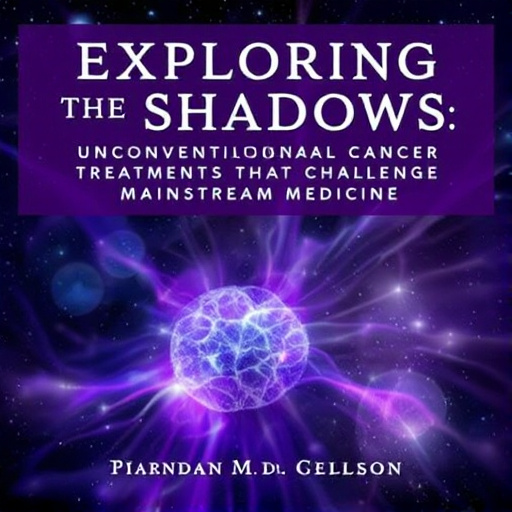
- Exploring the Shadows: Unconventional Cancer Treatments That Challenge Mainstream Medicine
- From Sourdough to Saffron: Exploring the Surprising Role of Food in Cancer Treatment Innovations
- Harnessing the Mind: Exploring Psychedelics as an Unconventional Ally in Cancer Treatment
- Revolutionary Microdosing: Can Tiny Amounts of Psychedelics Enhance Cancer Treatment Efficacy?
Revolutionary Microdosing: Can Tiny Amounts of Psychedelics Enhance Cancer Treatment Efficacy?
Revolutionary Microdosing: Can Tiny Amounts of Psychedelics Enhance Cancer Treatment Efficacy?
Revolutionary microdosing explores the remarkable potential of small doses of psychedelics to enhance cancer treatment efficacy. This article delves into the latest research, personal stories, and future possibilities surrounding this groundbreaking approach.
The Emergence of Microdosing
Microdosing, the practice of consuming sub-threshold doses of psychedelics, has been gaining traction since the early 2010s. In the United States, the National Institute on Drug Abuse (NIDA) estimated that around 2.2 million people used psychedelics in 2017, sparking discussions about their potential therapeutic benefits. No longer are these substances simply entertainment; researchers are beginning to unravel their potential for improving health outcomes, particularly in oncology.
A Brief History of Psychedelics in Medicine
Psychedelics have a mysterious yet fascinating history in medicine. The term “psychedelic” was first coined in the late 1950s, but prior to that, substances like psilocybin and LSD had already begun to draw attention for their effects on consciousness. By the 1960s, research into their therapeutic applications flourished, but the subsequent backlash and criminalization stifled progress. Fast-forward to the 21st century, and we find a renaissance of interest paired with rigorous scientific study.
Understanding Microdosing
So, what exactly is microdosing? Typically, microdoses are about one-tenth to one-twentieth of a “standard” recreational dose. For example, if a full recreational dose of psilocybin mushrooms is around 3.5 grams, a microdose would be approximately 0.1 to 0.35 grams. Advocates report benefits such as increased creativity, focus, and emotional well-being without noticeable psychoactive effects. This unique profile of microdosing may lend itself to use in supportive cancer therapies.
Case Studies: Real People, Real Results
John, a 52-year-old cancer survivor, shares his personal experience with microdosing during his treatment journey. Diagnosed with stage III melanoma, he struggled with not only the physical burden of cancer but also the mental health fallout. Seeking alternative methods of support, John began a regimen of microdosing with psilocybin. “It brought color back to my life,” he says. “I could finally breathe again and feel something other than fear.” Ultimately, he credits this practice alongside conventional treatments for significantly improving his quality of life and maintaining his mental health during a difficult time.
Connecting Microdosing and Cancer Treatment
While the anecdotal evidence is promising, the scientific community is only beginning to scratch the surface of psychedelic research. A study published in Frontiers in Pharmacology hinted at the potential of psychedelics to enhance neuroplasticity—an essential factor in recovery. In cancer treatment, neuroplasticity is crucial as patients often experience significant emotional and psychological stress. According to the American Cancer Society, 40% of cancer patients experience anxiety and depression at some point. Microdosing psychedelics could potentially mitigate these effects and promote an overall better treatment experience.
Potential Mechanisms: How Could It Work?
The mechanisms through which psychedelics operate are complex and multifaceted. One idea posits that psychedelics affect serotonin receptors, particularly the 5-HT2A receptor, leading to altered mood and emotional responses. In turn, improved mental health has been correlated with improved physical health outcomes post-treatment. This psycho-emotional connection speaks volumes—when one feels better mentally, it can influence their experience with physical ailments, including cancer.
Anecdotes: Experiences from the Frontlines
Another story comes from Emily, a 34-year-old undergoing chemotherapy. Initially, Emily felt burdened by the dire side effects of her treatment. In search of relief, she began experimenting with microdosing. “It was like a dense fog lifted,” she recalled. Emily found herself more engaged and present during treatment, which she attributes to her microdosing regimen. While not scientifically validated at this point, her account adds to the growing narrative that microdosing might offer unconventional yet profound benefits.
The Science is Heating Up
As exciting as personal experiences may be, rigorous scientific research is paramount for validation. A 2020 study demonstrated that psychedelics could induce significant decreases in anxiety for patients facing terminal illnesses. Researchers believe that integrating microdosing with conventional therapies could improve patient outcomes and their overall coping mechanisms. Moreover, these substances can increase patients' receptiveness to therapy sessions, facilitating more profound psychological and emotional healing.
Challenges and Considerations
Despite the promise, microdosing remains a field rife with challenges. Legal issues, stigma, and the need for clear research protocols are just a few hurdles to consider. Currently, many psychedelics are classified as Schedule I substances under the U.S. Controlled Substances Act, complicating legal access and research efforts. Furthermore, the risk of invalidating sincere experiences exists if not approached systematically and scientifically. Thus, while personal stories are valuable, they need to converge with robust research for wider societal acceptance and implementation.
Public Perspective: A Change in Attitude?
Interestingly, public sentiment toward psychedelics is shifting. A 2021 Gallup poll revealed that 26% of Americans believe that the use of psilocybin mushrooms should be legal, with a growing support base for medicinal use across various demographics. The public's newfound interest and acceptance can open doors to rigorous scientific inquiries, enhancing the drive to explore microdosing's therapeutic potential, particularly in oncology.
Integrating Microdosing into Cancer Care
As we wrestle with the complexities of cancer treatment, integrating alternative therapies like microdosing hinges upon thorough empirical understanding. Imagine healthcare professionals offering a holistic approach, blending traditional treatments with emerging therapies like microdosing. It may seem like a distant dream, but the ultimate goal is to improve patient quality of life as we connect mind and body in novel ways.
Peer-reviewed Research on the Horizon
Fortunately, studies are underway. Institutions like Johns Hopkins University are embarking on projects focusing on psychedelics and their potential to alleviate depression and anxiety in terminal cancer patients. Their commitment serves as a beacon of hope as the field moves toward systematic investigation and validation.
Concluding Thoughts: The Future of Microdosing in Cancer Treatment
While it may be too early to claim that microdosing is a cure-all for cancer, the conversations around its potential are undoubtedly gaining momentum. As a 25-year-old writer and advocate for mental wellness, I say let this shift in perspective fuel more dialogue and inquiry. The integration of psychedelics into cancer care could herald a new frontier of compassionate treatment models—one where emotional, mental, and physical health go hand in hand.
As stories from patients like John and Emily gather traction, we will continue to see interest grow, potentially leading to a future where microdosing becomes accepted in clinical settings. As more people share their experiences, whether formal or informal, it’s essential that we maintain a balance between scientific inquiry and personal tales. Unity in these narratives could help pave the way for emerging paradigms that consider the whole human experience in health care.
Related Articles