Featured Articles
- Biobanking for Breakthroughs: The Untapped Potential of Personal Tissue Samples in Cancer Treatment Innovations
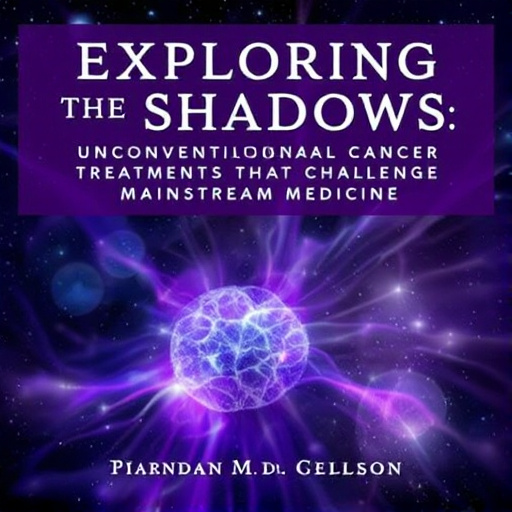
- Exploring the Shadows: Unconventional Cancer Treatments That Challenge Mainstream Medicine
- From Sourdough to Saffron: Exploring the Surprising Role of Food in Cancer Treatment Innovations
- Harnessing the Mind: Exploring Psychedelics as an Unconventional Ally in Cancer Treatment
- Revolutionary Microdosing: Can Tiny Amounts of Psychedelics Enhance Cancer Treatment Efficacy?
Unveiling the Uncommon: How Art Therapy is Revolutionizing the Emotional Side of Cancer Treatment
Unveiling the Uncommon: How Art Therapy is Revolutionizing the Emotional Side of Cancer Treatment
Art therapy is emerging as a transformative approach in cancer treatment, addressing the emotional and psychological challenges faced by patients. By integrating artistic expression into conventional cancer care, individuals are finding new avenues for healing, self-discovery, and emotional resilience.
A brief glance at the statistics reveals a rather alarming reality. According to the American Cancer Society, nearly 16.9 million people in the United States were living with a history of cancer as of January 2022. While treatments for the disease have made significant advancements, the emotional scars remain, making complementary therapies like art therapy crucial in the holistic treatment landscape.
Understanding Art Therapy
Let's start with a simple definition: art therapy is a form of psychotherapy that uses artistic expression as a means of improving mental health and emotional well-being. Patients do not need to be skilled artists; rather, the focus is on the process of creating art as a therapeutic medium. For cancer patients, this form of therapy can provide a much-needed outlet for feelings that are often too difficult to express in words.
At the heart of art therapy lies the principle that creativity can foster healing. Janet McKenzie, a 62-year-old breast cancer survivor, shares, "When I painted after my diagnosis, it was like letting out a flood of emotion that I didn’t even know was there. I felt free." This sentiment reflects a common theme among those who engage in art therapy, where the act of creating provides cathartic release.
The Rise of Holistic Approaches
In recent years, there has been a significant shift toward holistic approaches in health care, particularly for cancer treatment. The National Cancer Institute recognizes complementary therapies, including art therapy, as valuable adjuncts that contribute to improving quality of life and reducing feelings of anxiety and depression. This paradigm shift emphasizes not only the physical but also the emotional well-being of patients—an essential consideration for anyone combating a formidable disease like cancer.
Case Study: The Healing Power of Paint
In a fascinating case study conducted at the University of California, researchers observed a group of cancer patients participating in an 8-week art therapy program. Notably, 80% reported a marked decrease in anxiety, and many expressed a newfound sense of hope. One participant, a 50-year-old man battling leukemia, noted, “Through painting, I’ve been able to confront my fear and find joy again. I can express what I can’t say. It’s life-changing.”
How Art Therapy Works
The mechanics of art therapy involve a combination of both artistic creation and psychological guidance. Trained art therapists facilitate sessions by providing materials and prompts that inspire participants. The process is meant to be fluid and organic, allowing patients to explore their feelings, thoughts, and memories through artistic expression.
Research demonstrates that engaging in creative activities can significantly decrease cortisol levels, a hormone related to stress. According to a study published in the *Journal of the American Art Therapy Association*, just 45 minutes of creative activity can reduce levels of stress, leading to a constructive distraction from the challenges of cancer treatment. This process of creation and expression provides a therapeutic landscape for patients to navigate their emotions.
Breaking the Stigma Surrounding Emotions
A common misconception among patients is that they should remain stoic and strong throughout their cancer journey. Yet, it's essential to recognize that vulnerability is part of being human. Art therapy creates a space where it's okay to feel anger, sadness, or even joy—emotions often pushed aside in the face of illness.
As Amy, a 35-year-old ovarian cancer survivor, states, "I didn’t want to burden my family with my feelings. But when I started painting, I found that I could express what I was carrying inside without saying a word. It helped me heal." Art therapy thus fosters emotional honesty and authenticity, paving the way for deeper self-acceptance.
Engaging Communities through Art
Art therapy is not just beneficial for individual patients; its impact reaches entire communities. Organizations across the globe are employing art as a means of bringing people together. Cancer support centers are hosting art exhibitions featuring works from survivors, raising awareness and destigmatizing conversations on mental health and cancer.
For instance, the "Art for Healing" initiative in Toronto allows cancer patients to collaborate on communal art projects, fostering a sense of camaraderie while addressing their vulnerabilities. Such initiatives underline the notion that healing can be a shared journey—one that encourages community engagement and therapy through connection.
How to Get Started with Art Therapy
Curious about diving into art therapy for yourself or a loved one? The first step is to connect with trained art therapists who specialize in cancer care. Many hospitals and wellness centers offer introductory sessions, allowing patients to explore the medium without any pressure or expectations.
Another route is to look for local support groups where art therapy is integrated into their programming. Oftentimes, these gatherings provide the necessary emotional support while engaging participants in creative expression. Remember, anyone can engage in art therapy—no artistic background is required, as the focus is on emotional exploration rather than artistic skill.
A Personal Touch: Encountering Healing Through Creativity
Here’s a delightful twist: art therapy also incorporates humor into the healing process. Picture this: a group of patients sitting around a table, each with their own abstract canvas—laughter breaking out as one participant humorously declares, “It’s not a splatter fail; it’s modern art!” This lightheartedness is instrumental; it invites individuals to let go of perfectionism while embracing the joy of creation.
Voices of Transformation
Consider John, a 45-year-old survivor of prostate cancer, who boldly claims, “Before art therapy, I was all about ‘fighting cancer’—but it was draining. Now, I paint, and instead of fighting my feelings, I’m channeling them. It’s like my brush is my sword!” John’s transformative experience highlights the powerful shift in mindset that art therapy can catalyze, enabling patients to confront their fears with creativity rather than confrontation.
Considering the Future: A Therapeutic Landscape
As awareness of the benefits of art therapy continues to grow, its integration into cancer treatment protocols is likely to expand. Educational institutions are increasingly offering specialized programs for aspiring art therapists, ensuring a new generation of professionals can advocate for these approaches in clinical settings.
The integration of technology, such as virtual art therapy sessions, is also revolutionizing access for patients who may not be able to physically attend sessions. Online platforms are emerging that not only offer art therapy but also create virtual community spaces for patients to connect and share their artwork. This digital evolution is expanding the reach and impact of art therapy in unprecedented ways.
Final Thoughts: Creating a Culture of Healing
At the end of the day, the goal of cancer treatment is not merely to extend life but to nurture a quality of life that is vibrant and fulfilling. Art therapy is a powerful tool that encourages healing beyond the physical—addressing emotional needs that are often overlooked. It fosters creativity, resilience, and most importantly, a supportive community for those navigating the tumultuous waters of cancer.
As we continue to explore innovative approaches in cancer care, art therapy stands out not just as a ‘nice-to-have,’ but as an essential pillar of holistic healing. The emotional side of cancer treatment should be a priority, and through creativity, individuals can unveil their uncommon strength, ultimately leading to a more optimistic outlook on their cancer journey.
Related Articles