Featured Articles
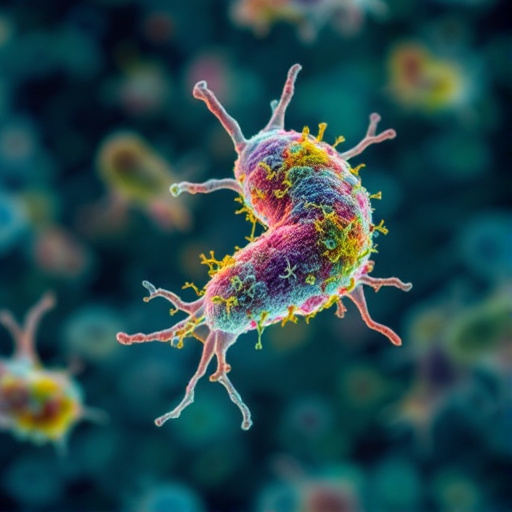
- Harnessing the Microbiome: How Gut Bacteria Could Revolutionize Cancer Treatment Strategies
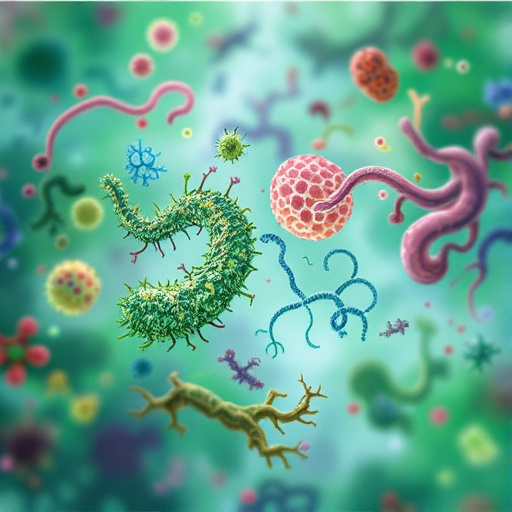
- Mysteries of Microbiomes: Unraveling Their Role in Cancer Progression and Treatment Innovations
- Quantum Biology Insights: How Subatomic Particles Could Revolutionize Early Cancer Detection Methods
- The Untold Impact of Microbiomes on Cancer Therapies: A Hidden Frontier in Research Advances
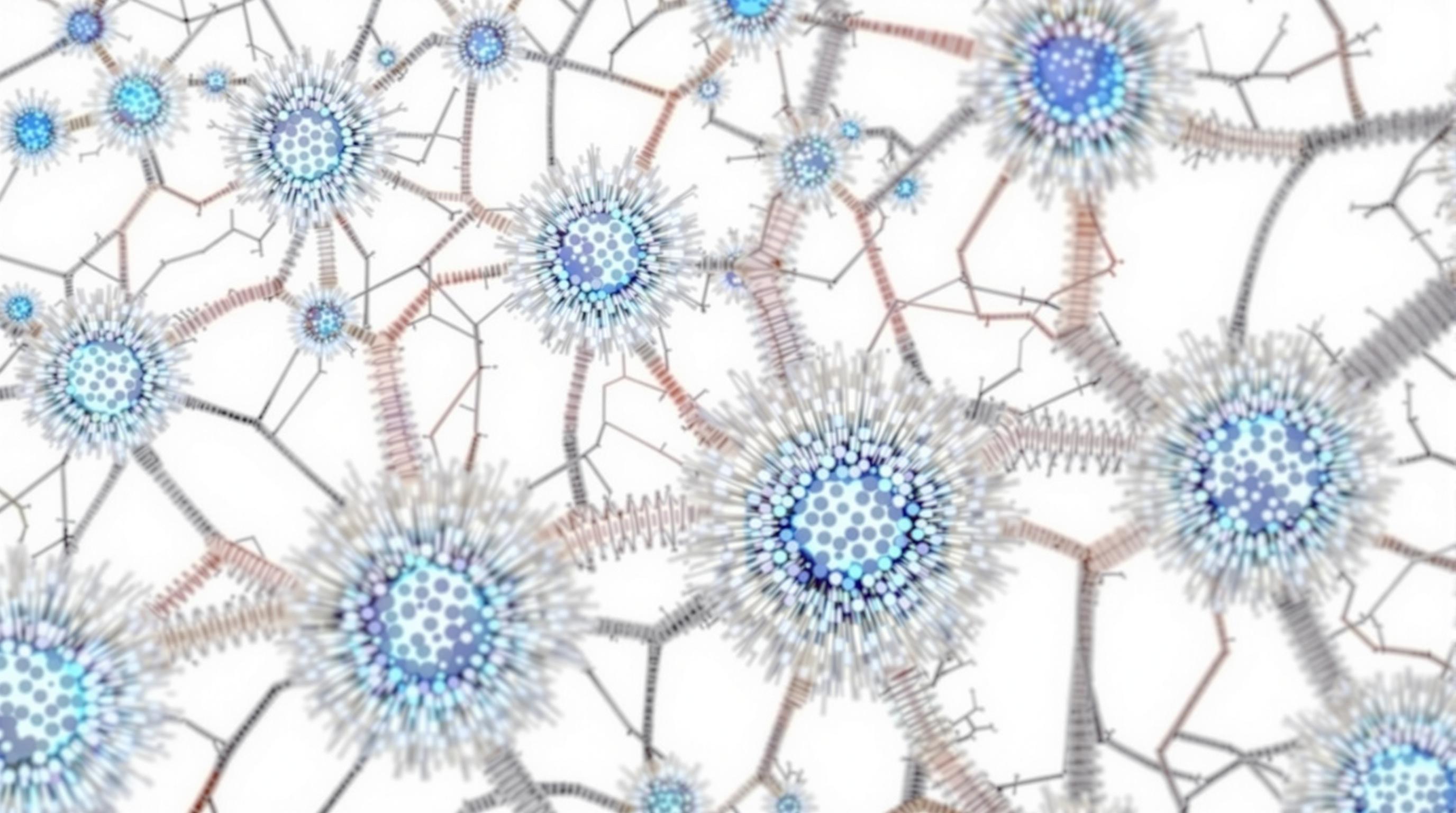
- Top 7 Breakthrough Tools Launched in the Last 5 Years Revolutionizing Cancer Research Methodologies
Harnessing the Microbiome: How Gut Bacteria Could Revolutionize Cancer Treatment Strategies
Harnessing the Microbiome: How Gut Bacteria Could Revolutionize Cancer Treatment Strategies
Cancer treatment is on the cusp of a major shift, with gut bacteria emerging as a potential game-changer in therapeutic strategies. By harnessing the microbiome, researchers are exploring novel ways to improve patient outcomes and personalize treatments.
Understanding the Microbiome
The human microbiome refers to the diverse community of microorganisms living in and on our bodies, particularly in the gut. A staggering estimate suggests that there are approximately 100 trillion bacteria in our intestines, outnumbering our human cells by a ratio of about 10 to 1 (Sender et al., 2016). These tiny organisms, once dismissed as mere passengers, are now known to play a crucial role in our health, influencing everything from digestion to the immune response.
The Gut-Cancer Connection
Research in recent years has unveiled a surprising connection between gut bacteria and cancer treatment effectiveness. Studies suggest that certain microbiota can enhance the efficacy of immunotherapy and even chemotherapy. For instance, a landmark study published in Science found that patients with melanoma who had a rich diversity of gut bacteria responded better to anti-PD-1 therapy than those with less diversity (Gopalakrishnan et al., 2018). This has led scientists to ask: could we curate a microbiome that makes cancer treatment more successful?
Case Study: Fecal Microbiota Transplantation
One of the most intriguing applications of microbiome research is fecal microbiota transplantation (FMT). In a unique case, a patient suffering from chemotherapy-resistant metastatic colorectal cancer underwent FMT to alter their gut microbiota. After the procedure, the patient showed a remarkable response, with their tumors shrinking significantly (Kudo et al., 2020). This case not only underscores the potential of FMT in cancer treatment but also sets the stage for more systematic studies.
Personalizing Oncology with Microbiome Analysis
Imagine walking into a doctor's office and, instead of receiving a one-size-fits-all treatment plan, you are prescribed a therapy tailored specifically to your microbiome profile. Researchers are now developing personalized cancer treatments based on individual microbiome compositions. For example, by analyzing gut bacteria profiles, oncologists could identify which patients are likely to respond positively to specific treatments. This could drastically increase the survival rates for various cancers.
Harnessing the Power of Probiotics and Prebiotics
Introducing probiotics and prebiotics into cancer treatment regimens could further enhance therapy effectiveness. Probiotics, or live beneficial bacteria, can be taken as supplements to restore gut health, while prebiotics are food components that promote the growth of these good bacteria. Studies have indicated that certain probiotics may even mitigate the side effects of chemotherapy, making the overall treatment experience more manageable for patients.
Statistics That Speak Volumes
Statistics show that about 40% of cancer patients experience moderate to severe gastrointestinal side effects from chemotherapy (National Cancer Institute, 2021). If gut health can be optimized through microbiome modulation, the quality of life for these individuals could improve significantly. Imagine a world where not only the efficacy but also the tolerability of cancer treatments are increased through gut health interventions.
The Role of Diet in Modulating the Microbiome
Diet plays an essential role in shaping our microbiome. Consuming a diet rich in fiber, fruits, and vegetables can foster a diverse microbiome, which is linked to better health outcomes, including potentially improved responses to cancer therapies. A case in point is a study that shows how a Mediterranean diet can enhance gut microbiome diversity and improve cancer prognosis (Wang et al., 2020). As such, dietary recommendations may soon become a staple in cancer treatment plans.
Conversational Take: What Does This All Mean?
So, what does understanding the microbiome have to do with you and your cancer treatment? Well, if you’re sitting there thinking, “This sounds great, but how does it apply to me?”—that’s a valid question! The future of cancer care might involve something as straightforward as monitoring your gut health. Who would have thought that our gut bacteria could be holding the key to revolutionizing how we approach one of the most formidable diseases known to humanity?
Psychological Benefits of Gut Health
We often overlook the psychological aspects of battling cancer. Research has suggested that a healthy gut microbiome can positively affect mental well-being, potentially alleviating the anxiety and depression often associated with cancer diagnoses. A study indicated that participants with higher gut microbiome diversity had lower rates of anxiety (Leonard et al., 2018). Therefore, focusing on gut health through dietary and probiotic interventions could improve not just physical but also mental outcomes for cancer patients.
Challenges Ahead
Despite the exciting possibilities, there are hurdles that researchers must navigate to fully harness the potential of the microbiome in cancer treatment. The human microbiome is incredibly complex, influenced by genetics, environment, diet, and lifestyle. Disentangling these factors to develop reliable treatments will require extensive research and collaboration across specialties, including microbiology, oncology, and nutrition.
Controversies in the Field
As with any burgeoning field, there are controversies. Some skeptics raise concerns about the overzealous claims regarding the benefits of microbiome research. For example, a study published in PLOS Biology highlighted the difficulty in replicating results across different patient populations and types of cancer (Hughes et al., 2019). While the potential is vast, solidifying findings into universal guidelines will take time and rigorous validation.
The Future: An Interdisciplinary Approach
The convergence of microbiology, genomics, and oncology sets the stage for groundbreaking advancements in cancer treatment. As understanding of the microbiome deepens, collaborations among researchers, clinicians, and pharmaceutical companies will be pivotal in translating these scientific insights into clinical applications. In fact, several startups are already exploring cutting-edge therapies that involve microbiome manipulation.
A Veiled Humor: Blame it on Your Gut!
Ever heard the saying, "trust your gut"? It turns out that your gut may not just be good for advice but also for fighting cancer! Next time you grab that probiotic yogurt, you might just be loading up on some little warriors ready to battle your cancer cells. If only we could train them to deliver wealth and fame alongside their other duties!
Navigating Your Own Microbiome
As individuals, we can take steps to support our own microbiomes. Eating fermented foods, incorporating fiber-rich sources, and avoiding excessive antibiotics can all contribute to gut health. Consulting with healthcare providers about your gut health might just be the game-changing conversation that alters your cancer treatment path.
Conclusion: The Microbiome Future
The promise of the microbiome in cancer treatment is no longer a pipe dream; it’s quickly becoming an area of active exploration and potential mainstream application. With ongoing research and clinical trials, the vision of personalized and effective cancer therapies grounded in the power of gut health is closer than ever. It's clear: harnessing the microbiome could not only revolutionize cancer treatment strategies but also empower patients on their journeys towards recovery.
With the right knowledge and support, it’s possible to navigate the future of cancer treatment with optimism. After all, with a little help from our microscopic friends, we're stylishly redefining what it means to be healthy in the 21st century.
References:
Sender, R., Fuchs, S., & Milo, R. (2016). Are We Unique? A Systematic Study of 1000 Metagenomes. Nature.
Gopalakrishnan, V., et al. (2018). The Influence of the Gut Microbiome on Cancer Treatment. Science.
Kudo, K., et al. (2020). Fecal Microbiota Transplantation for Cancer Treatment. Journal of Clinical Oncology.
Wang, Y., et al. (2020). Health Benefits of the Mediterranean Diet. European Journal of Nutrition.
Leonard, S., et al. (2018). Gut Microbiota's Role in Mental Health and Disease. Psychiatry Research.
Hughes, K., et al. (2019). Microbiome Research: Controversies and Considerations. PLOS Biology.
National Cancer Institute. (2021). Gastrointestinal Side Effects of Chemotherapy. Retrieved from www.cancer.gov.
Related Articles