Featured Articles
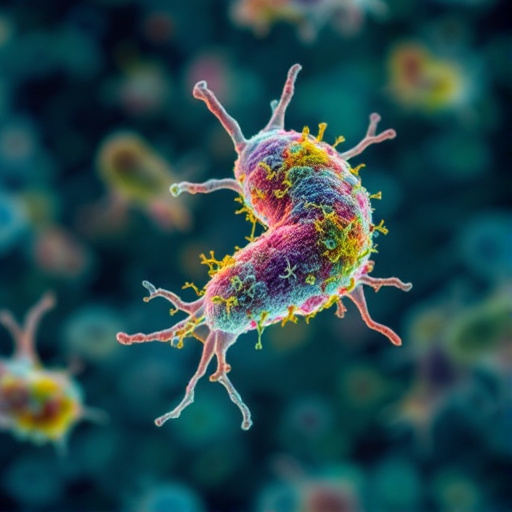
- Harnessing the Microbiome: How Gut Bacteria Could Revolutionize Cancer Treatment Strategies
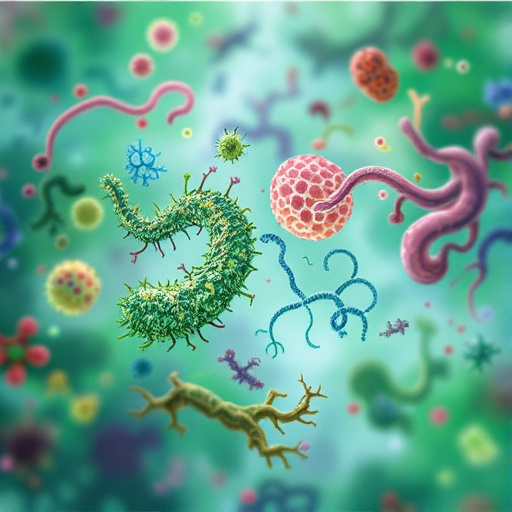
- Mysteries of Microbiomes: Unraveling Their Role in Cancer Progression and Treatment Innovations
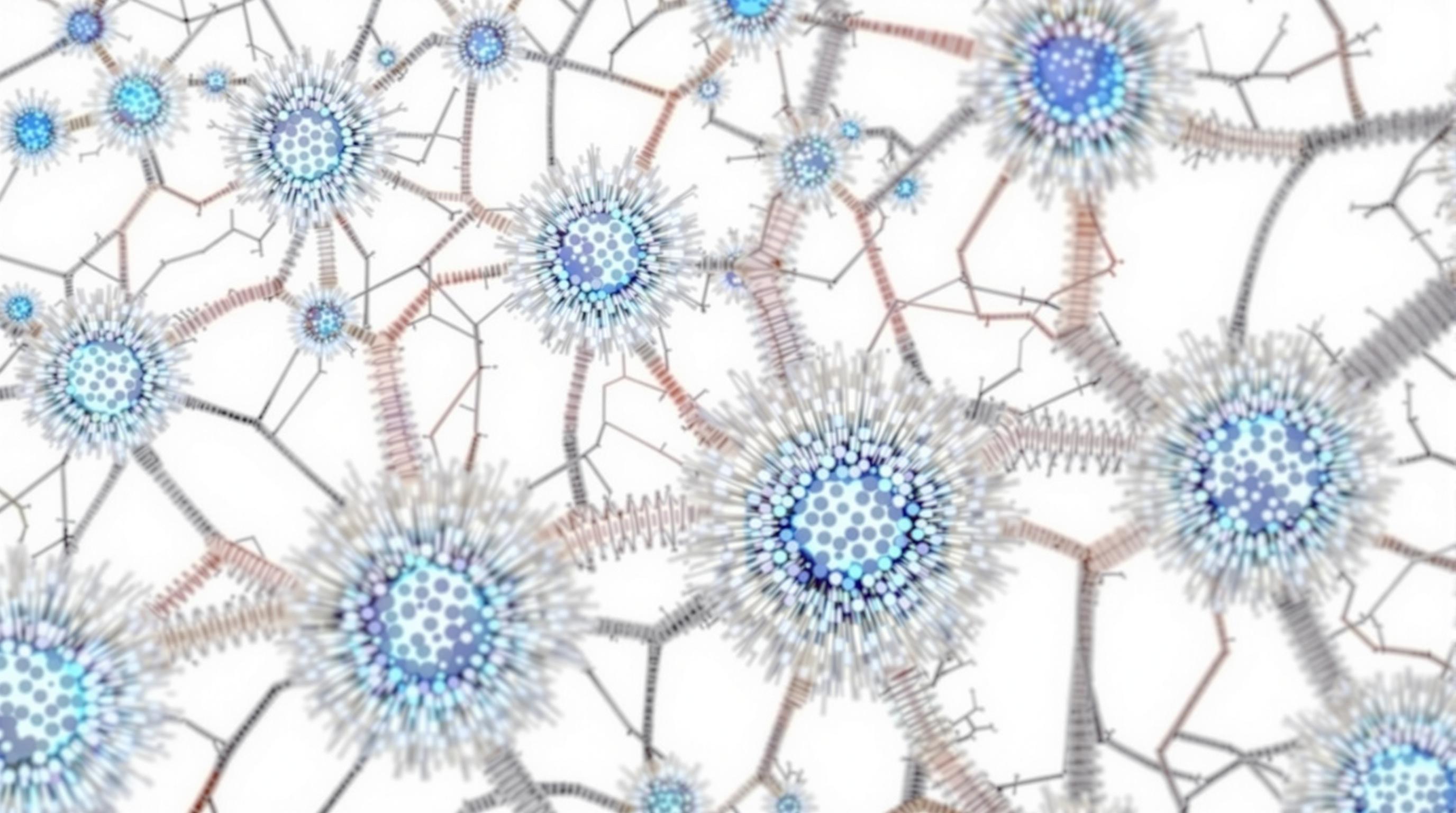
- Quantum Biology Insights: How Subatomic Particles Could Revolutionize Early Cancer Detection Methods
- The Untold Impact of Microbiomes on Cancer Therapies: A Hidden Frontier in Research Advances
- Top 7 Breakthrough Tools Launched in the Last 5 Years Revolutionizing Cancer Research Methodologies
Mysteries of Microbiomes: Unraveling Their Role in Cancer Progression and Treatment Innovations
Mysteries of Microbiomes: Unraveling Their Role in Cancer Progression and Treatment Innovations
Our bodies are home to an enigmatic world of microorganisms known as the microbiome, which is increasingly being recognized for its profound impact on health, particularly in cancer progression and treatment. Exploring these microbial communities opens up innovative avenues for medical treatments, potentially revolutionizing how we understand and address cancer.
The Fascinating Microbiome Landscape
Imagine a bustling city, thriving with life under its surface, largely unnoticed yet pivotal to its ecosystem's health. This city represents your microbiome, a complex network of trillions of microbes cohabiting within our bodies, contributing both beneficially and, in some scenarios, detrimentally to our health.
What is a Microbiome?
A microbiome includes bacteria, viruses, fungi, and other microorganisms residing in specific environments, such as the gut, skin, or lungs. The human gut microbiome alone consists of over 100 trillion bacteria, outnumbering human cells by ten to one, and weighing around 2 kilograms (4.5 pounds) in total. It’s almost like hosting a dinner party and realizing your guests outnumber you!
A New Frontier in Cancer Research
Researchers are discovering that the microbiome may play a critical role in cancer progression. According to a study published in "Nature," certain gut microbes can influence the effectiveness of cancer treatments, particularly immunotherapies (Gajewski et al., 2020). These findings suggest that the microbiome could either bolster immune response or hinder it, creating a dramatic impact on cancer patient outcomes.
Microbiome and Cancer Links
One of the exciting notions in contemporary research is the idea that the microbiome can influence not just cancer development but also how our bodies react to treatment. Certain microbial profiles have been associated with better responses to chemotherapy in various cancers, including melanoma and colorectal cancer. A case study involving melanoma patients showed that those with specific gut bacteria experienced more significant benefits from immunotherapy, significantly improving tumor responses.
The Power of Bacteria
While commonly viewed as harmful, not all bacteria are the enemy. A particular strain, Akkermansia muciniphila, has garnered attention for its potential protective properties against obesity and inflammation, two factors playing a critical role in cancer risk. In fact, research led by the University of Bristol indicated that higher levels of this bacterium correlated with better responses in immunotherapy treatment (Kang et al., 2021). Just goes to show that sometimes, we're better off with the quirky friends at our party!
Spotlight on the Gut-Brain Connection
Interestingly, the microbiome's influence extends beyond just cancer treatment—it interacts with the immune system and even the brain. The gut-brain-axis provides critical insights into how our emotional state can affect our physical health, creating a fascinating loop of communication that can impact cancer progression.
Studies have shown that individuals with anxiety or depression might experience more pronounced cancer symptoms due to inflammatory cytokines produced by the microbiome, showcasing the necessity of a holistic treatment approach. To put it simply, when it comes to health, happiness and gut health are two peas in a pod!
Innovative Treatment Strategies
The idea of manipulating the microbiome for cancer treatment leads us into a realm of innovative therapies. Probiotics, prebiotics, and even fecal microbiota transplantation are gaining traction as adjunct therapies in cancer care. Probiotics, or beneficial bacteria strains, when administered alongside conventional treatments, may enhance response rates, reduce side effects, and improve overall patient well-being.
The Future of Personalized Medicine
As we forge ahead, the concept of personalized medicine shines brightly, tailored to individual microbiome compositions. Imagine a world where cancer treatments are customized based on the microbiome profile of each patient—treatments based on science, yet entirely unique to you! This revolutionary approach holds the promise of improving efficacy while reducing adverse effects.
Skepticism or Hope? The Clinical Trials Ahead
Of course, as with any emerging field, skepticism remains. The complexity of the microbiome, consisting of diverse microorganisms with varying effects, necessitates rigorous clinical trials to validate claims surrounding personalized microbiome therapies. Research teams across the globe are fervently exploring this frontier, and only time will reveal the full potential.
Considerations and Future Research
Regulatory hurdles, ethical considerations, and the need for standardization in microbiome research signify that progress remains deliberate. However, with increasing investment, institutions such as the National Institutes of Health (NIH) are backing microbiome research, acknowledging it as a crucial aspect of medical science and health sustainability.
When Funny Meets Serious—The Gut Bacteria Debate
Humor me for a moment: picturing your favorite comedian, could you imagine them strutting around the stage as gut bacteria, with each strain vying for the crowd's attention? "Thank you, I'll be here all week, in your digestive tract!” While this humorous imagery might make many chuckle, the stakes are serious; understanding and harnessing these microbial comedians could very well influence the future of oncology.
What’s Next in Microbiome Fascination?
As we step into this brave new world of microbiome science, tracking the changes in our microbial anti-heroes provides huge potential for personalized healthcare. Each research breakthrough adds another piece to the puzzle of understanding the intricate relationships between our bodies and the microbes that inhabit them.
Empowering Patients Through Knowledge
One of the most significant takeaways from the current research landscape is the power of informed patient participation. Patients wishing to optimize their treatment options can explore how maintaining a balanced microbiome may benefit them. Consulting health care providers about dietary changes, gut health, and potential microbiome supplements could very well lead to better outcomes in their cancer journey.
The Endgame: A Healthier Tomorrow
As a 28-year-old writer with a keen interest in health sciences, I envision a future where the microbiome is leveraged as a focal point in cancer treatment and care. Picture this: a world where our diets, lifestyle choices, and even our mental wellness directly inform our cancer strategies. This type of interconnected approach may one day significantly reduce cancer incidence and improve survival rates.
In conclusion, the mysteries of microbiomes are slowly being unraveled, revealing connections that could change the landscape of cancer treatment forever. With future discoveries awaiting us, the ongoing research into the microbiome offers a beacon of hope—not just for oncology, but for a fuller understanding of human health.
Related Articles