Featured Articles
- Harnessing the Microbiome: How Gut Bacteria Could Revolutionize Cancer Treatment Strategies
- Mysteries of Microbiomes: Unraveling Their Role in Cancer Progression and Treatment Innovations
- Quantum Biology Insights: How Subatomic Particles Could Revolutionize Early Cancer Detection Methods
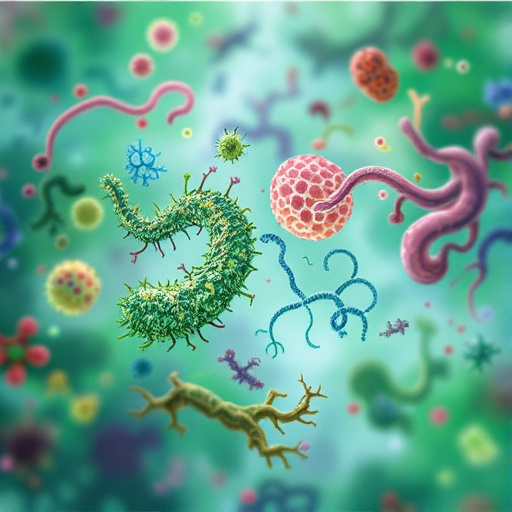
- The Untold Impact of Microbiomes on Cancer Therapies: A Hidden Frontier in Research Advances
- Top 7 Breakthrough Tools Launched in the Last 5 Years Revolutionizing Cancer Research Methodologies
The Untold Impact of Microbiomes on Cancer Therapies: A Hidden Frontier in Research Advances
The Untold Impact of Microbiomes on Cancer Therapies: A Hidden Frontier in Research Advances
The microbiome—the vast collection of microbes that inhabit our bodies—plays a significant role in health and disease. Recent research suggests that these tiny organisms could dramatically influence the efficacy of cancer therapies, making them a hidden frontier in the quest for improved treatment outcomes.
Understanding the Microbiome: A Brief Overview
To appreciate the profound influence of microbiomes on cancer therapies, we must first understand what they are. Microbiomes comprise trillions of bacteria, fungi, viruses, and other microorganisms residing within us and on our skin, primarily in our gut. This diverse community supports crucial bodily functions, like digestion and immune regulation.
The Gut-Brain Connection
Did you know that your gut can actually communicate with your brain? Research indicates that gut bacteria play a role in influencing mood and mental health through a bidirectional communication pathway known as the gut-brain axis. This communication could also extend to how our bodies respond to cancer treatments, with microbiomes potentially influencing both the side effects experienced and the overall effectiveness of therapies.
Statistics that Matter
A staggering statistic reveals that nearly 70% of the immune system resides in the gut. This highlights the crucial role microbiomes play in immune responses, which are critical when fighting diseases like cancer. The right bacterial balance may enhance the immune system's response to therapies like checkpoint inhibitors, a revolutionary class of cancer treatments.
Case Studies: The Microbiome in Action
One compelling example is the research conducted by the team at the John Wayne Cancer Institute, which found that patients receiving immunotherapy for melanoma showed significantly better outcomes when they had a diverse gut microbiome. In their study, patients who had been treated with antibiotics prior to their cancer therapy demonstrated a decreased effectiveness of the immunotherapy, suggesting a potential link between antibiotic use, microbiome diversity, and treatment outcome (Baruch et al., 2017).
Similarly, a study published in the journal *Nature* indicated that the specific composition of gut bacteria might even predict which patients would respond favorably to PD-1 inhibitors (Routy et al., 2018). Patients with a higher abundance of certain bacterial strains in their gut had better overall survival rates. This opens up exciting possibilities in personalized medicine, where microbiome profiling could guide therapeutic strategies.
The Role of Diet
User-friendly tip alert! Want to boost your microbiome health? Incorporate probiotics and prebiotics into your diet. Probiotic-rich foods (like yogurt and fermented vegetables) and prebiotic foods (such as garlic, onions, and bananas) can help nurture the beneficial bacteria in your gut. Plus, a balanced diet may not only improve your gut health but also enhance your responses to cancer therapies.
How Microbiomes Influence Cancer Therapies
In a fascinating twist, the connection between microbiomes and cancer treatments goes beyond just immune modulation. It appears that gut bacteria can influence drug metabolism as well. Some studies have shown that certain gut bacteria can produce enzymes capable of breaking down chemotherapeutic agents, impacting their effectiveness. This leads to a consequential question: Could the manipulation of microbiomes enhance the effectiveness of traditional cancer treatments?
Personal Stories: The Patient Perspective
Imagine being a cancer patient, undergoing conventional treatments with no support from the microbiome. Now here's a story shared by 52-year-old Mary, who battled breast cancer. After her chemotherapy treatment, Mary decided to improve her diet, focusing on probiotic foods. She noticed that implementing prebiotics helped her manage the harsh side effects of chemotherapy, including nausea and fatigue. Whether coincidental or causal, Mary believes her dietary changes significantly eased her treatment journey.
Research Advances: A Continuous Journey
With ongoing research in microbiome science, researchers are beginning to explore the various therapeutic avenues that microorganisms offer. There are proposals to use fecal microbiota transplants (FMT) as a way to restore bacterial diversity in patients who have had their microbiomes negatively impacted by antibiotics or other treatments. Trials are underway, and it remains to be seen whether FMT could help improve responses to immunotherapeutics.
The Unintended Side Effects of Antibiotic Treatment
While antibiotics can be life-saving, their overuse and misuse have dire consequences for gut health. Research indicates that antibiotic treatments can diminish microbiome diversity and disrupt the bacteria balance, potentially compromising the immune response to cancer therapies. Those hitting the antibiotic bottle may be unknowingly cutting off another weapon in their fight against cancer.
The Future of Cancer Therapies: Integrating Microbiome Science
How can we use this emerging knowledge to improve cancer treatments? Scientists are increasingly advocating for the integration of microbiome profiling in clinical settings. By understanding a patient's unique microbiome composition, oncologists may tailor immunotherapies and chemotherapies to optimize treatment efficacy and minimize side effects. This emerging field of study is gradually transforming the approach to cancer treatment as we know it.
Consider the concept of microbiome-based clinical trials where participants are stratified based on their microbiome profiles. Such design would allow for more personalized care, potentially leading to more precise therapeutic outcomes, making it a win-win for patients and oncologists alike.
Exploring the Roadblocks
Despite the stunning potential in this area, significant challenges remain. One major hurdle is the sheer variability of human microbiomes—what works wonders for one individual might have minimal effect on another. The interplay between genetics, diet, lifestyle, and environment adds multiple layers of complexity that researchers must navigate.
Moreover, the regulatory landscape surrounding microbiome research and therapies is still in its infancy. The development of microbiome-based treatments must adhere to rigorous health regulations and standards, which can hinder rapid advancements in the field.
A Glimpse of Hope
Despite these hurdles, there’s a beaming light of hope. The American Cancer Society has begun to put more focus on microbiome research, offering grants aimed at uncovering this hidden frontier in cancer treatments. As more attention and funding pour into this area, the potential for breakthroughs increases significantly.
Conclusion: A New Era on the Horizon
As the science around microbiomes expands, we may very well be on the brink of a new era in cancer therapies. The interconnectedness of our microbiome with immune response and drug metabolism presents an exciting opportunity to enhance current treatment paradigms. Just remember to treat your gut with care—your microbiome may hold the key to unlocking better cancer treatment outcomes.
So, the next time you think about that probiotic yogurt or kombucha in the fridge, consider it a potential partner in your well-being—even in the fight against cancer. This hidden frontier is not just research; it’s a revolutionary part of the next chapters in oncology!
Related Articles