Featured Articles
- Harnessing the Microbiome: How Gut Bacteria Could Revolutionize Cancer Treatment Strategies
- Mysteries of Microbiomes: Unraveling Their Role in Cancer Progression and Treatment Innovations
- Quantum Biology Insights: How Subatomic Particles Could Revolutionize Early Cancer Detection Methods
- The Untold Impact of Microbiomes on Cancer Therapies: A Hidden Frontier in Research Advances
- Top 7 Breakthrough Tools Launched in the Last 5 Years Revolutionizing Cancer Research Methodologies
When Microbes Attack: Unraveling the Hidden Role of Gut Bacteria in Cancer Treatment Resistance
When Microbes Attack: Unraveling the Hidden Role of Gut Bacteria in Cancer Treatment Resistance
In the complex interplay between cancer treatment and human health, gut bacteria emerge as a pivotal player, influencing treatment resistance in unexpected ways. This article delves into the hidden role of gut microbes, revealing how they can both hinder and help in the fight against cancer.
Understanding the Gut Microbiome
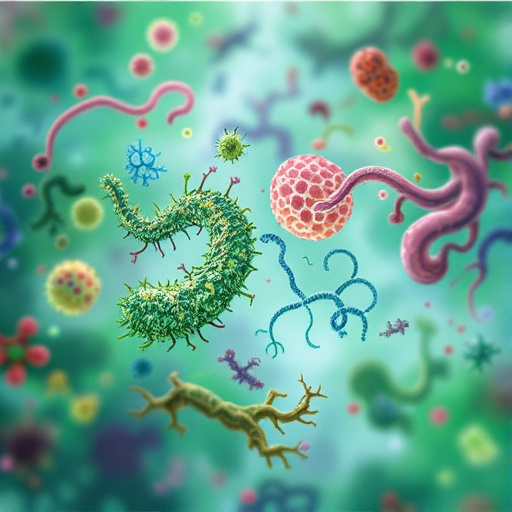
Imagine your gut as a bustling city, home to trillions of bacteria—some friendly, some not so much. The gut microbiome comprises a diverse community of microorganisms that play essential roles in digestion, immune response, and even mental health. This complex ecosystem not only aids in breaking down food but also interacts closely with the body's biological functions.
Recent research has illuminated the gut’s intricate relationship with cancer therapies. For instance, studies show that a well-diversified gut microbiome correlates with better responses to immunotherapy treatments. In contrast, unfavorable microbial profiles can lead to treatment resistance, ultimately affecting patient outcomes.
A Troubling Trend: Treatment Resistance
One of the most troublesome phenomena in cancer care is treatment resistance. According to a report by the American Cancer Society, nearly 90% of cancer fatalities occur in patients with advanced-stage disease, often due to the ineffectiveness of current treatments (American Cancer Society, 2021). Understanding why some patients do not respond to therapies is critical for developing more effective strategies.
Biologically, treatment resistance can arise from genetic mutations, tumor microenvironments, or, as highlighted in recent studies, the gut microbiome. Researchers at the University of Chicago found that specific gut bacteria may metabolize cancer drugs, rendering them ineffective. This biochemical interaction illustrates the complexity of drug response influenced by microbial composition.
Case Study: Immunotherapy and Gut Microbes
Take the story of John, a 65-year-old lung cancer patient. After his initial diagnosis, he enrolled in a clinical trial for an immunotherapy drug believed to harness his immune system to fight the cancer. However, he showed minimal response. A deep-dive analysis of his gut microbiome revealed a deficiency in beneficial bacteria, prompting his healthcare team to adjust his treatment plan. With the addition of a probiotic regimen, John saw a remarkable improvement in his treatment outcomes. Such anecdotes highlight the critical role gut bacteria play in cancer therapy success.
The Good, the Bad, and the Ugly: Microbial Diversity
Not all gut bacteria are created equal. Positive strains, like Lactobacillus and Bifidobacterium, are associated with enhanced immune response and anti-inflammatory properties. Conversely, an overabundance of harmful bacteria, such as certain species of Enterobacteriaceae, can promote inflammation and facilitate tumor growth. The balance of these microbial populations can significantly influence a cancer patient’s treatment response.
In one notable study published in "Nature" (2021), researchers observed that cancer patients receiving checkpoint inhibitors experienced improved outcomes when their gut microbiome was enriched with diverse strains. This underscores the notion that a balanced microbiome might be a key player in treatment efficacy.
Gut Feelings: Emotional Connections
Did you know that your gut also communicates with your brain via the gut-brain axis? This fascinating connection suggests that our emotional state may affect gut health and, consequently, cancer treatment efficacy. Chronic stress or depression can negatively impact the gut microbiome, leading to a cycle of poor health outcomes. Therefore, mental wellness programs might play a crucial role in fostering a healthy gut microbiome, thus aiding cancer treatment.
Clinical trials exploring the combination of psychotherapeutic interventions and cancer treatment are becoming increasingly popular. It's a budding field that intertwines mental health with physical health—truly a holistic approach.
Prebiotics and Probiotics: Weaponry in Cancer Therapy
Prebiotics and probiotics have entered the conversation as potential adjunct therapies in cancer treatment. Prebiotics, essentially food for beneficial microbes, can help nourish good bacteria, while probiotics introduce beneficial strains directly into the gut. But here’s where it gets interesting: not every patient will benefit from the same probiotic formulation.
The variability of gut microbiomes demands personalized approaches. As noted in a study published by the Journal of Clinical Oncology (2022), researchers found that customized probiotic cocktails based on an individual’s gut flora not only improved their tolerance to chemotherapy but also enhanced overall treatment effectiveness. Imagine walking into a pharmacy and being prescribed a microbe tailored just for you! Talk about a personalized medicine revolution!
Future Perspectives: Microbial Modulation in Cancer Care
The future of cancer treatment could be significantly influenced by gut microbiome research. Scientists are pursuing various strategies to modulate the microbiota to enhance cancer treatment efficacy. Fecal microbiota transplants (FMT)—a procedure that involves transferring gut microbiota from a healthy donor into a patient—are showing promise in clinical trials. Researchers at the Dana-Farber Cancer Institute revealed that FMT could help restore microbial diversity in patients suffering from treatment-resistant cancers.
However, it’s essential to navigate this burgeoning field with caution. The heterogeneity of gut microbiomes means that what works for one patient might not work for another. More research is needed to identify specific bacterial strains and their roles in personalized cancer therapy.
Humor in Science: A Moment of Lightness
Let’s take a quick breather here. You think you have a full house? Picture a gut full of microbes having their version of a party—some are drinking, some are dancing, and some are probably fighting about who gets the last slice of cake. In this gut party scenario, the question remains: Which guests—good or bad—are contributing to that party crasher, cancer? It’s a gut-wrenching (pun intended) mystery yet to be fully solved!
Conclusion: An Integrated Approach for Better Outcomes
As we uncover the mysteries of the gut microbiome, a paradigm shift toward a more integrated approach to cancer treatment is vital. Combining traditional therapies with microbiome modulation might just pave the way for more effective treatments and improved patient outcomes. It’s clear that when it comes to cancer therapy, the gut and its myriad of microscopic inhabitants cannot be ignored.
With a growing body of evidence linking gut health to cancer treatment effectiveness, the medical community is on the verge of a microbiome revolution. The road ahead is filled with exciting possibilities, promising not just improved treatments but also a deeper understanding of human health at large. The microbes in our guts are not merely stowaways; they're integral co-pilots in our journey toward defeating cancer.
So next time you think about your health, remember: it’s not just what’s on your plate that matters; it’s also what’s living in your gut!
Related Articles