Featured Articles
- Harnessing the Microbiome: How Gut Bacteria Could Revolutionize Cancer Treatment Strategies
- Mysteries of Microbiomes: Unraveling Their Role in Cancer Progression and Treatment Innovations
- Quantum Biology Insights: How Subatomic Particles Could Revolutionize Early Cancer Detection Methods
- The Untold Impact of Microbiomes on Cancer Therapies: A Hidden Frontier in Research Advances
- Top 7 Breakthrough Tools Launched in the Last 5 Years Revolutionizing Cancer Research Methodologies
Whispers of the Microbiome: Unseen Allies in the Fight Against Cancer
Whispers of the Microbiome: Unseen Allies in the Fight Against Cancer
The intricate world of the microbiome is becoming an increasingly pivotal player in cancer treatment and prevention. Scientists are discovering how these unseen allies within our bodies can reshape our understanding of cancer therapy, immunity, and overall health.
Understanding the Microbiome
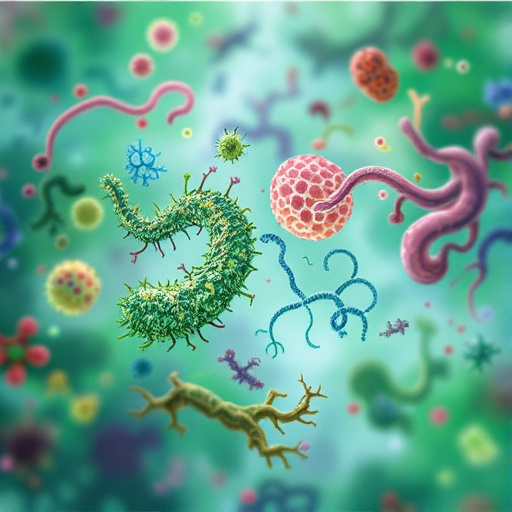
The microbiome refers to the trillions of microorganisms, including bacteria, fungi, viruses, and protozoa, that reside in our bodies, particularly in our gut. While these microorganisms are present in nearly every organ, the intestinal microbiome is the most extensively studied and is known for its role in digestion, metabolism, and, intriguingly, immunity. Recent studies estimate that our microbiome consists of roughly 100 trillion bacterial cells, outnumbering human cells by a factor of ten!
A Hidden World
Imagine hosting a party and not realizing your guests are engaging in deep conversations about your health. This hidden world of bacteria is not just a passive observer; it's a bustling community with significant implications for your well-being. The gut microbiome influences everything from digestion to the immune system, even playing a vital role in mental health—a phenomenon sometimes referred to as the "gut-brain axis."
The Cancer Connection
As researchers delve deeper, they're uncovering surprising links between the microbiome and cancer. For instance, a study published in the journal *Nature* showed that certain gut bacteria influence the effectiveness of checkpoint inhibitors— a class of immunotherapy drugs that help the immune system fight cancer. Specifically, those with a diverse microbiome tended to respond more favorably to these treatments (Gopalakrishnan et al., 2018).
Case Study: The Power of Diversity
Consider the case of a 56-year-old woman diagnosed with melanoma. Traditional treatment options had limited success, and her prognosis was grim. However, after undergoing fecal microbiota transplantation (FMT) from a healthy donor, her gut microbiome diversified significantly. Astonishingly, follow-up scans revealed a marked reduction in tumor size, demonstrating the potential of microbiome manipulation in cancer treatment (Bach et al., 2020).
The Role of Diet
So, what can you do to cultivate a healthier microbiome? Your dietary choices play a crucial role! Consuming fiber-rich foods, fermented products like yogurt and kimchi, and a rainbow of fruits and vegetables can help foster a thriving community of beneficial bacteria. Interestingly, plant-based diets have not only been linked to better microbiome diversity but also lower cancer rates. A renowned study in the journal *Cancer Epidemiology, Biomarkers & Prevention* found that individuals consuming high-fiber diets were 22% less likely to develop colorectal cancer (Slavin, 2013).
A Conversational Approach to Food
Let’s talk about kale, shall we? I know, I know—kale is the superhero of the health world, but it has its merits! By adding it to your smoothies or salads, you’re not only getting a powerhouse of vitamins but also feeding those beneficial gut bacteria. And quinoa? It’s like giving your microbiome a luxury spa day. Juicy, colorful fruits can also come through as the life of the party, bringing a buzz of excitement to your gut flora! So, get your forks ready! 🍴
Immunotherapy and the Microbiome
Navigating the landscape of cancer treatment can feel like sailing through uncharted waters. Among the sails and riggings are immunotherapies, which harness the body’s immune system to combat cancer cells. The microbiome appears to be a key navigator in this journey, helping to steer the immune response. When the microbiome is in harmony, it may enhance the efficacy of immunotherapy, as demonstrated in studies where patients with a specific gut microbiome profile had improved survival rates with certain immunotherapies.
Challenges and Misconceptions
However, despite the exciting prospects, challenges abound. The relationship between the microbiome and cancer is multifaceted and not yet fully understood. A common misconception is that all bacteria are harmful—the reality is that our bodies rely on a delicate balance between different bacterial species. Killing off the “bad” bacteria doesn’t necessarily mean you’re doing good for your microbiome. Instead, fostering a diverse and balanced microbiome is crucial for health.
A Humorous Take
Okay, let me just say this: if your tummy grumbles like a toddler denying its nap time, it’s probably because there’s a lively riot among your gut bacteria! Think of your microbiome as a quirky house party—some bacteria are dancing together while others are throwing popcorn at each other. It’s all fun and games until one part of the party gets too rowdy, leading to inflammation or, worse, a party crash (like cancer!).
Future Directions
The future looks bright for microbiome research in oncology. Scientists are exploring probiotic interventions and personalized microbiome therapies to tailor cancer treatment more effectively. As technology advances, high-throughput sequencing provides deeper insights into individual microbiomes, paving the way for more personalized medicine. Imagine a world where a simple gut test could determine the best course of treatment for cancer!
Personal Stories of Hope
The story of Tom Wright—a thriving 65-year-old grandfather—illustrates the potential of microbiome-based interventions. After being diagnosed with stage IV colon cancer, he participated in a clinical trial involving a specific probiotic blend. In an unexpected turn of events, his tumor markers dropped to undetectable levels, shocking both his doctors and family. As Tom often says, "I thought I was fighting cancer, but in reality, my gut was winning the battle for me." It’s stories like these that infuse hope into the bleak landscape of cancer treatment.
Conclusion: Embracing the Unseen Allies
The whispers of the microbiome are growing louder, and it’s time we pay attention to these unseen allies in our quest to understand cancer better. As research continues to evolve, it encourages a holistic view of health that includes the microbiome as a vital component. Whether we utilize diet, engage in probiotic therapies, or experience groundbreaking treatments, there is no doubt; our microbiome will play a significant role in how we combat cancer. The conversations around the microbiome are just starting—so why not join in?
As we stand at the crossroads of science and health, each of us has the opportunity to become an ally to our microbiome, leading to a healthier, more vibrant life. Now’s the time to embrace that kale smoothie and give a hearty cheer for the tiny champions within us!
Related Articles